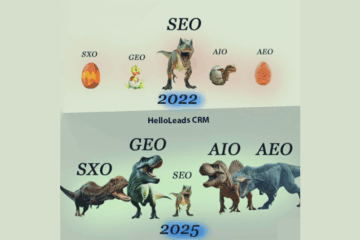
The Shift: From Search Engines to Generative Engines
For decades, Search Engine Optimization (SEO) has shaped how we create, publish and discover content online. But the rise of generative AI systems like ChatGPT, Gemini, and Perplexity—is quietly rewriting the rules of digital discovery.
These aren’t just search engines; they’re “answer engines” that interpret queries, synthesize knowledge, and generate new insights from existing information.
Enter Generative Engine Optimization (GEO)—the next evolution of online visibility. GEO isn’t about chasing keywords or building backlinks. Instead, it focuses on making your brand’s content understandable, trustworthy, and reference-worthy for AI systems when they generate responses.
For marketers, content strategists, and business owners, mastering GEO will be critical to staying visible in an AI-powered search era.
What Are Generative Engines?
Generative engines are AI-driven systems that deliver direct, synthesized responses instead of lists of links.
When you ask ChatGPT or Perplexity a question, it doesn’t show you “search results.” Instead, it reads, reasons, and generates an answer built from the most relevant and credible information it can find.
This new paradigm means brands are no longer competing for a top spot on page one—they’re competing for inclusion and citation within AI-generated answers.
And that’s where GEO becomes essential.
Why Should You Care About GEO?
Because search behaviour is changing fast. Users are shifting from Googling to asking AI assistants for research, recommendations, and decisions. .
When someone asks, “What’s the best CRM for small businesses?” they might never open Google. Instead, they’ll receive an instant answer from an AI assistant that has already determined which brands deserve mention.
If your content isn’t optimized for generative systems, your brand could vanish from digital discovery altogether.
GEO ensures your brand remains visible, relevant, and trusted—appearing naturally in AI-generated narratives where consumer decisions increasingly take place.
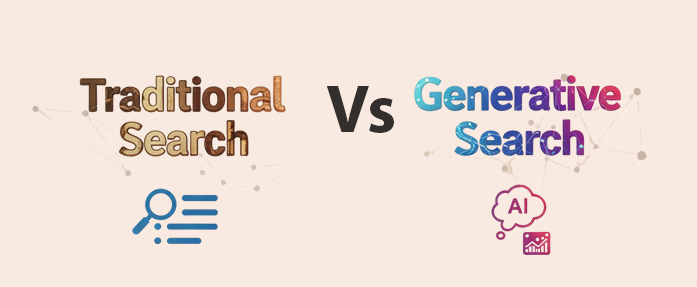
Traditional Search vs. Generative Search
| Traditional Search (SEO) | Generative Search (GEO) |
| Focuses on keywords and backlinks | Focuses on semantic meaning and authority |
| Ranks pages based on signals | Synthesizes answers using context |
| Users browse multiple results | Users get one synthesized response |
| Optimization for human readers | Optimization for AI comprehension |
In short, SEO helps you rank. GEO helps you get referenced.
The Rise of GEO: Why It’s Needed
As generative engines become the primary tools for discovery, brands must evolve their visibility strategies. GEO has emerged from this shift—bridging human expertise with machine understanding.
By implementing structured data, schema markup, and contextual linking, GEO ensures that AI systems recognize your brand’s authority, interpret your content correctly, and include your insights in synthesized answers.
At HelloLeads.io, for example, our team introduced structured metadata and question-based content formats across our CRM resources. This approach led to our content being referenced by AI assistants in responses related to sales productivity and lead management—a clear demonstration of GEO in action.
How GEO Works: Context, Authority, and Structure

Generative engines pull from massive datasets—including web content, structured data, and semantic relationships. To appear in their synthesized answers, your content needs three essential elements:
- Contextual Authority – Build consistent topical expertise and publish original, research-backed insights. AI models prioritize depth, accuracy, and credibility over keyword density.
- Structured Intelligence – Use AI-ready schema markup, knowledge graphs, and entity linking to make relationships between your content and broader industry topics explicit and machine-readable.
- Prompt-Optimized Content – Craft articles, FAQs, and guides using natural, conversational language that reflects how people phrase real questions and intents when interacting with AI assistants.
Beyond Rankings: The Rise of “Answer Optimization”
The future of GEO isn’t about where you rank—it’s about how often you’re mentioned. As AI assistants become digital gatekeepers, the true metric of success will be Generative Visibility: how frequently your brand appears in AI-generated summaries and conversations.
This evolution transforms marketing from traffic-focused SEO campaigns into knowledge-driven GEO strategies. The goal is no longer just to attract clicks—but to establish your content as a trusted data source for both humans and machines.
The Takeaway: Prepare for the Generative Era
SEO isn’t disappearing – but GEO is its next evolution. Future visibility depends not only on how search engines rank your site, but on how AI interprets and references your brand.

Start by auditing your existing content for semantic depth, integrating structured data, and creating thought-leadership pieces that directly answer key industry questions.
As generative AI continues to reshape discovery, the brands that adopt GEO early will become the voices AI listens to—and cites. Learn more about building GEO-ready content strategies at HelloLeads.io
Share this blog :