Introduction
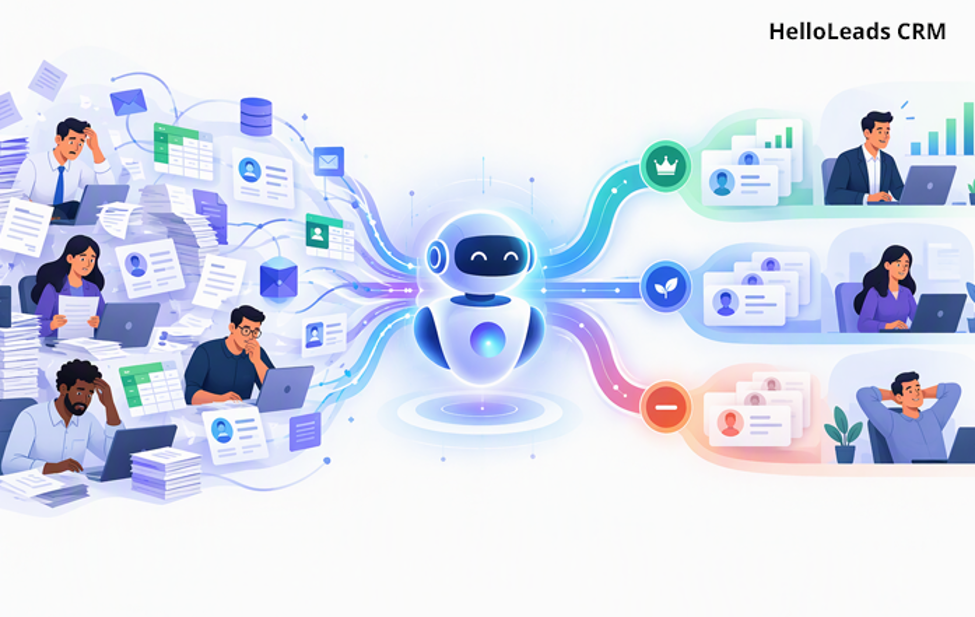
Sales teams often spend hours reviewing enquiries, checking prospect details, asking qualifying questions, and deciding which leads deserve immediate attention. While these activities are essential, handling them manually can slow down sales cycles and leave valuable opportunities unattended.
This is where AI sales agents are changing the way businesses manage leads. Unlike traditional automation that follows predefined rules, AI agents can understand and interpret information, interact with prospects using natural language, identify potential buying signals, and assist with relevant actions in the sales process.
By automating repetitive qualification activities, businesses can respond faster, prioritize promising prospects, and give sales representatives more time to build customer relationships. Rather than replacing the entire sales process, AI agents can take care of routine tasks and support salespeople in making better-informed decisions. Let’s explore how AI sales agents are transforming lead qualification and what businesses should consider when adopting them.
What Are AI Sales Agents?
AI sales agents are intelligent software systems designed to perform specific sales-related tasks with limited human intervention. They use technologies such as artificial intelligence, natural language processing, and connected business data to understand requests and take actions based on defined objectives.
For lead qualification, an AI sales agent can:
- Interact with website visitors and respond to initial enquiries.
- Ask questions about customer needs, budget, and requirements.
- Collect and organize prospect information.
- Identify potential buying intent based on the information shared by prospects.
- Categorize and prioritize leads using defined criteria and available data.
- Recommend appropriate next steps or schedule sales interactions, where supported.
For example, when a prospect enquires about a product, an AI agent can ask about their requirements, expected purchase timeline, and budget. It can then summarize the responses and help the sales team decide how to proceed. This gives sales representatives useful context before they begin a direct conversation with the prospect.
Why Manual Lead Qualification Is Becoming a Challenge
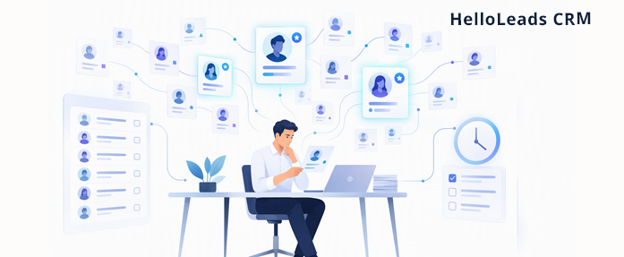
Manual qualification becomes increasingly difficult as businesses receive enquiries from websites, social media, email, advertisements, phone calls, and other channels. As enquiry volumes grow, sales teams need to spend more time reviewing, organizing, and prioritizing prospects. This can create several challenges:
1. Too Much Time Spent on Repetitive Tasks
Sales representatives frequently spend time collecting basic customer information and asking similar questions. This reduces the time available for product demonstrations, negotiations, and closing deals.
2. Delayed Responses to New Enquiries
When enquiries arrive outside business hours or during busy periods, responses may be delayed. Prospects who expect quick answers may move on to competitors.
3. Inconsistent Lead Evaluation
Different sales representatives may use different criteria to evaluate prospects. Without a consistent qualification process, promising opportunities can be overlooked or lower-priority enquiries may receive more attention than they need.
4. Difficulty Managing High Lead Volumes
As marketing campaigns generate more enquiries, manually reviewing every lead becomes harder. Teams may struggle to identify which prospects need immediate attention and ensure that each enquiry receives appropriate follow-up.
How AI Sales Agents Are Transforming Lead Qualification
AI sales agents help businesses handle the initial stages of lead management more efficiently. They can support several activities that would otherwise require repetitive manual effort:
1. Automated Prospect Conversations
AI agents can engage prospects through supported communication channels, answer common questions, and collect relevant information. This helps businesses maintain initial engagement without requiring a representative to handle every basic enquiry.
2. Intelligent Lead Scoring and Prioritization
AI systems can evaluate available information against defined qualification criteria, such as customer requirements, company details, engagement, and buying intent.
Based on the information available, they can help sales teams identify high-priority prospects and decide which enquiries need attention first. However, scoring accuracy depends on data quality and the criteria used. AI-generated scores should therefore support sales decisions rather than replace human judgment entirely.
3. Faster Lead Assignment
Once a prospect has been qualified, an AI-enabled sales system can help route the enquiry to an appropriate representative based on factors such as territory, product interest, or team availability, where these capabilities are supported. This can help reduce manual assignment effort and get enquiries to the right team member sooner.
4. Context-Aware Follow-Ups
AI agents can help identify when a prospect needs additional information or a follow-up. They may suggest relevant responses, summarize previous interactions, or trigger approved actions based on the sales process. This gives sales representatives better context when continuing a conversation and helps them maintain more consistent communication.
5. Continuous Availability
AI agents can handle supported initial interactions beyond regular business hours. This allows businesses to capture prospect information even when sales representatives are unavailable. Although complex questions and sensitive sales discussions may still require human involvement, AI agents can help ensure that initial enquiries are acknowledged and relevant information is collected.
AI Sales Agents vs. Traditional Lead Qualification
| Activity | Manual Qualification | AI-Assisted Qualification |
| Initial enquiry handling | Managed by representatives | Can be handled by AI agents |
| Information collection | Asked and entered manually | Collected through automated conversations |
| Lead prioritization | Based on manual review | Supported by data-based evaluation |
| Follow-up | Depends on representative availability | Can use approved automated triggers |
| Lead summaries | Prepared manually | Can be generated automatically |
| Sales conversations | Managed by sales teams | Human representatives handle complex discussions |
The key difference is not simply speed or automation. AI-assisted qualification can reduce repetitive work and provide sales teams with better-organized prospect information. However, sales representatives remain essential for conversations that require human judgment, negotiation, and relationship-building.
AI agents do not eliminate the need for sales professionals. They help reduce repetitive tasks, allowing representatives to focus more on meaningful conversations and promising opportunities.
How HelloLeads CRM Supports Better Lead Management
AI sales agents can help with initial prospect interactions, but businesses also need a reliable system to organize enquiries, track customer information, and manage follow-ups.
HelloLeads CRM helps sales teams manage these essential activities through a simple, mobile-first platform.
- Lead capture and tracking: Bring enquiries from different sources into an organized lead management system.
- Lead assignment: Assign leads to the right team members and maintain clear ownership.
- Follow-up reminders: Set reminders and follow-up alarms to reduce the chances of missing important opportunities.
- Customer relationship management: Maintain customer details and interaction history for more informed conversations.
- Team collaboration: Help team members access relevant lead information and coordinate sales activities.
- Sales performance tracking: Use reports and analytics to monitor team activity and sales progress.
- Mobile sales management: Access lead information and manage follow-ups while working in the field.
HelloLeads CRM complements an AI-assisted sales approach by providing the lead management foundation sales teams need. It should not be confused with an autonomous AI sales agent; its value lies in helping businesses organize leads, maintain customer relationships, and manage sales activities effectively.
By combining AI-assisted processes with a structured CRM system, businesses can bring greater consistency to lead management while keeping sales teams informed and in control.
What Businesses Should Consider Before Adopting AI Sales Agents
Before implementing an AI sales agent, businesses should evaluate a few important factors:
- Data quality: Ensure customer information is accurate, relevant, and properly maintained.
- Integration: Check whether the AI agent can connect with your CRM and existing communication channels.
- Privacy and security: Establish clear rules for handling customer information and obtaining consent.
- Human oversight: Allow sales representatives to review important decisions and handle complex customer interactions.
- Performance measurement: Track response times, qualification accuracy, conversion rates, and customer experience.
The goal should not be to automate every conversation. It should be to automate suitable tasks while keeping human expertise where it matters most.
Conclusion