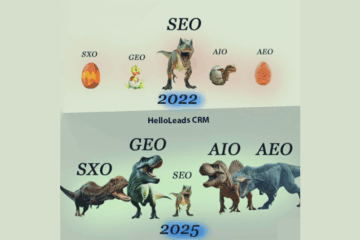
The way people discover information online is undergoing a seismic shift. Traditional search engines ruled how users found answers – ranking web pages through keywords, backlinks, and domain authority.
But with the rise of AI-driven tools like ChatGPT, Gemini, and Perplexity, information discovery now happens through generative engines, such that the systems synthesize and deliver answers instead of directing users to a list of links. This shift calls for a new approach called Generative Engine Optimization (GEO) – the future of how content gains visibility in the AI era.
What Is Generative Engine Optimization (GEO) and Why It’s Important
Generative Engine Optimization (GEO) is the strategic process of optimizing your content, data, and brand presence so that AI-powered search systems – such as ChatGPT, Gemini, or Perplexity – can effectively understand, cite, and generate your information in their responses. GEO focuses on being referenced and summarized accurately by AI models that now shape user decisions, whereas traditional SEO focuses on ranking higher on Google’s search results pages.

Why GEO matters, it’s because:
- User behavior is changing. For example, people now ask AI tools for answers instead of “searching” manually.
- Visibility is conversational. Instead of clicking links, users read AI-generated summaries – meaning your brand must appear within those answers.
- Trust and accuracy drive engagement. Generative engines favor content that are authoritative, structured, and verifiable.
In essence, GEO ensures your content isn’t lost in the AI revolution – it positions your brand where the future of search is happening.
How to Optimize for Generative Engines
Mastering GEO requires a blend of technical precision and strategic storytelling:
- Focus on context, not just keywords. Write content that answers questions comprehensively, anticipates user intent, and provides nuanced insights that AI can reference.
- Use structured data and schema markup. Feed AI models explicit context – product details, FAQs, author bios, and entity relationships – to increase the likelihood of inclusion in generative responses.
- Build authority through high quality signals. Generative engines favor trustworthy data sources. Maintain consistent branding, expert bylines, and citations that reinforce credibility.
- Leverage knowledge graphs and data integrations. Connect your brand data through APIs and structured repositories, ensuring generative engines recognize your business as an authoritative entity.
- Optimize for mobile and conversational content. With AI assistants embedded in phones and browsers, your content should read naturally and load seamlessly across devices.

A digital agency we worked with adopted GEO-friendly content strategies – combining structured data, expert insights, and FAQ optimization. Within weeks, their brand began appearing in AI-generated summaries for industry-related queries, driving 20% higher referral engagement from generative platforms.
Why GEO Matters More Than Ever
Generative engines don’t return blue links; they generate human-like summaries based on context, credibility, and semantic understanding. This means your content must be machine-readable, semantically rich, and contextually authoritative. GEO is no longer about keyword stuffing or backlinks — it’s about teaching AI models to understand, trust, and use your content in their generated responses.

For marketers, content strategists, and small business owners, this is both a challenge and an opportunity. If your brand isn’t represented in generative results, you may become invisible – even if your SEO rankings are strong. But with a GEO strategy, you can make your brand part of the AI’s answer, ensuring consistent visibility and authority in conversational search.
The Takeaway
Generative Engine Optimization isn’t about replacing SEO – it’s about evolving it. By aligning your content with how AI understands and presents information, your future-proof your visibility in an AI-first search world.
At HelloLeads.io, we embrace this evolution by helping businesses simplify data management and integrate seamlessly with AI-driven ecosystems. The future of visibility isn’t in being found — it’s about being understood.
Share this blog :